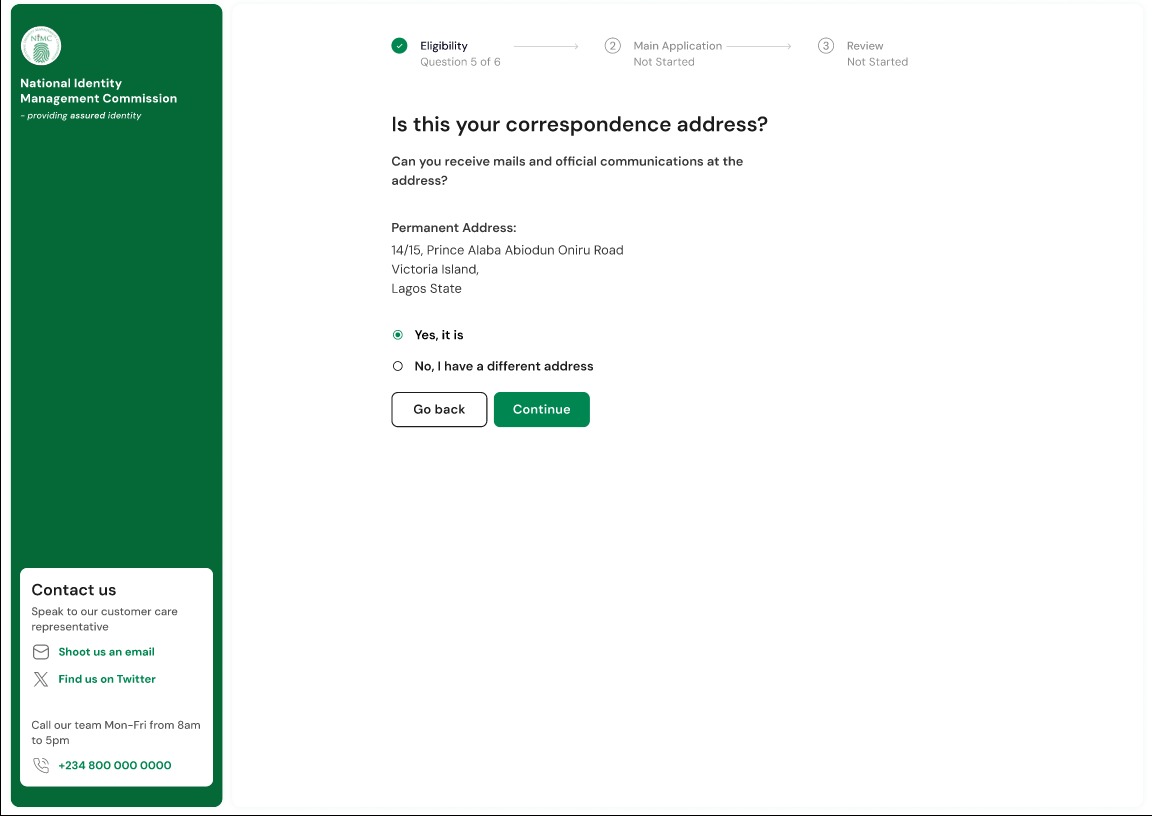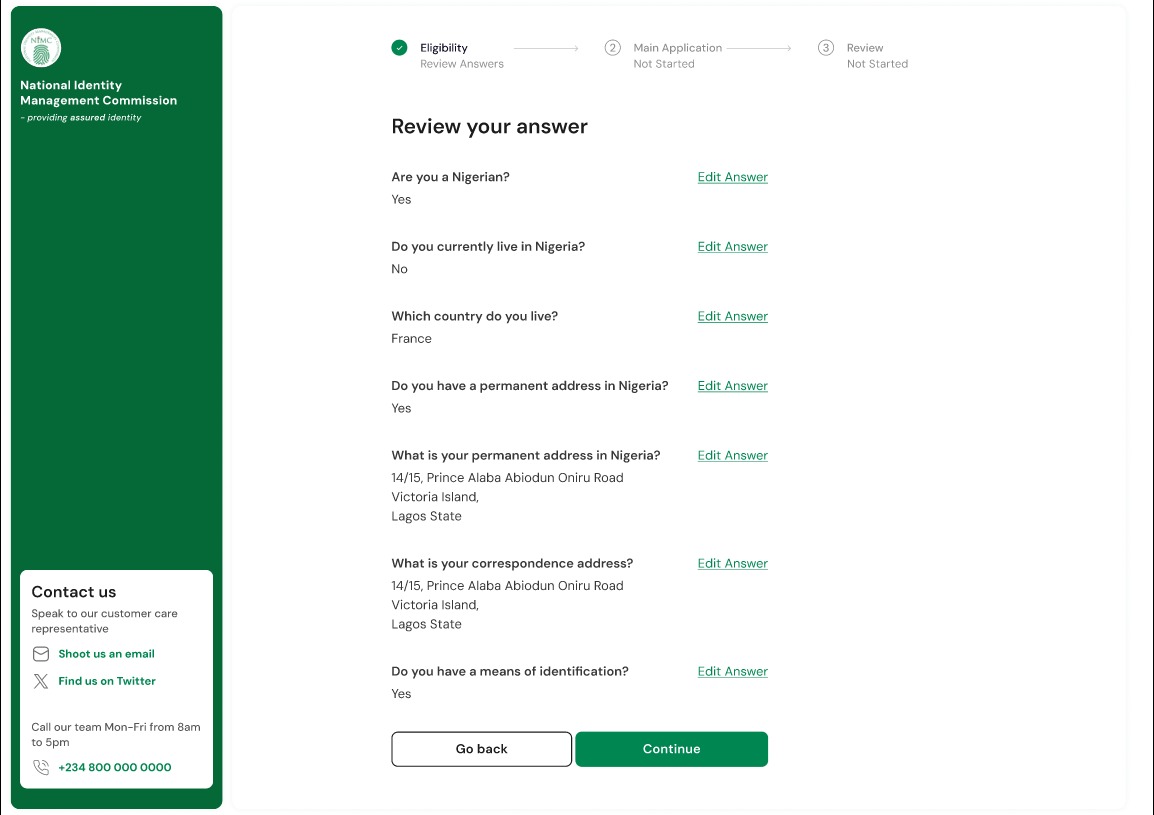

Project NIN

Project Title

NIN Online Portal – A Unified Digital Identity Enrollment Platform

Executive Summary

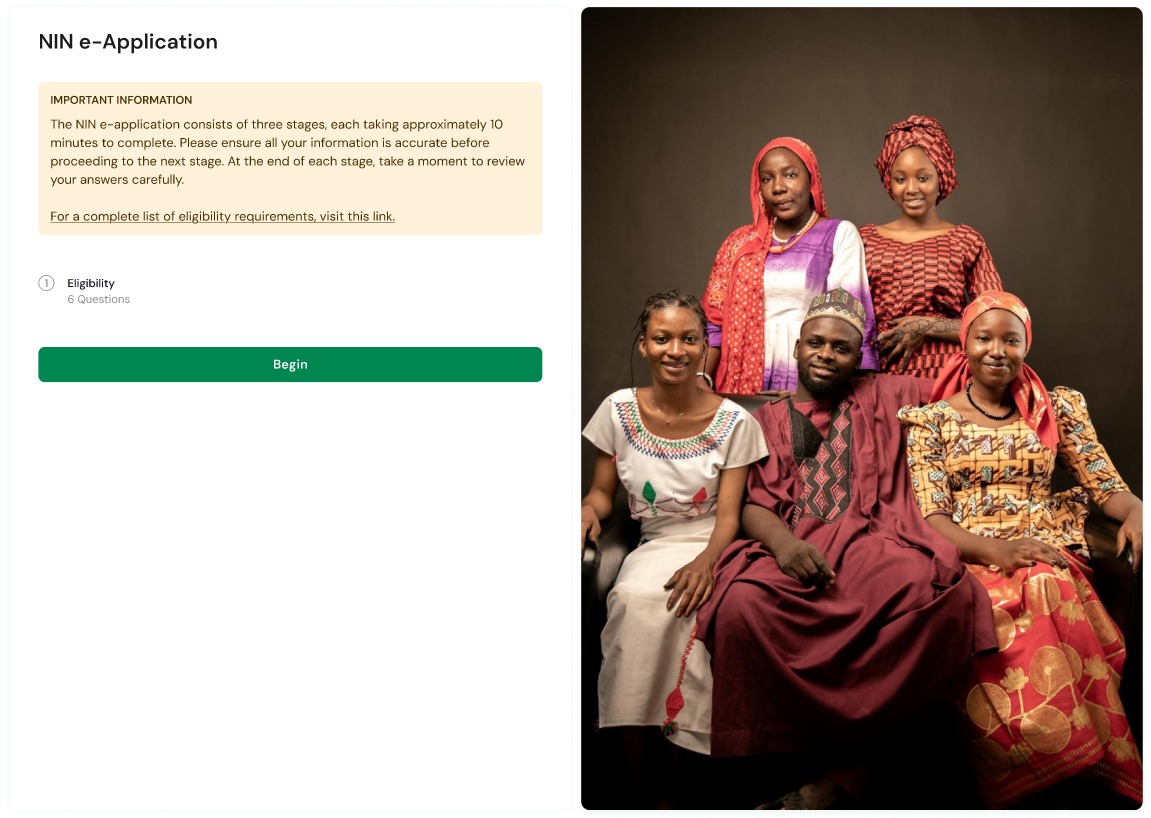
The Nigerian National Identification Number (NIN) is a critical identifier used by citizens and legal residents to access a wide range of services, from healthcare and banking to education, voting, and national security. However, the current NIN enrollment process, overseen by the National Identity Management Commission (NIMC), is fragmented, time-consuming, and inaccessible to many Nigerians—particularly in rural and underserved communities.

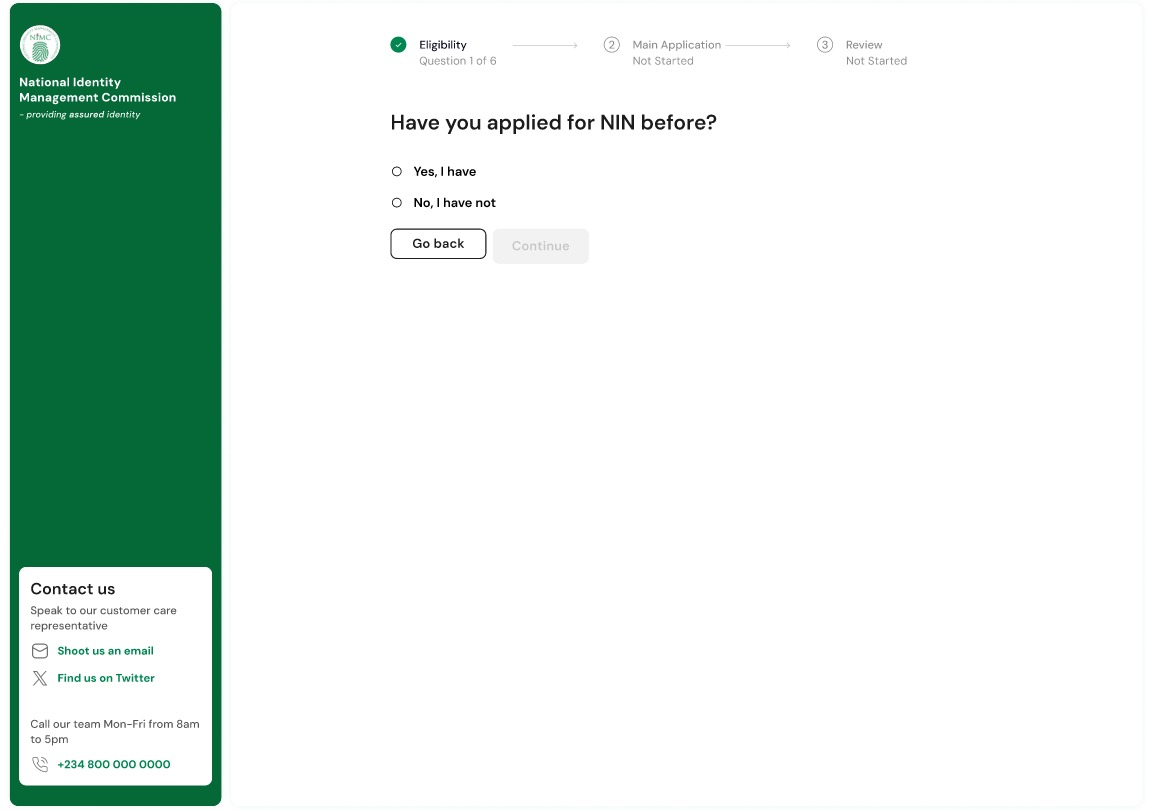
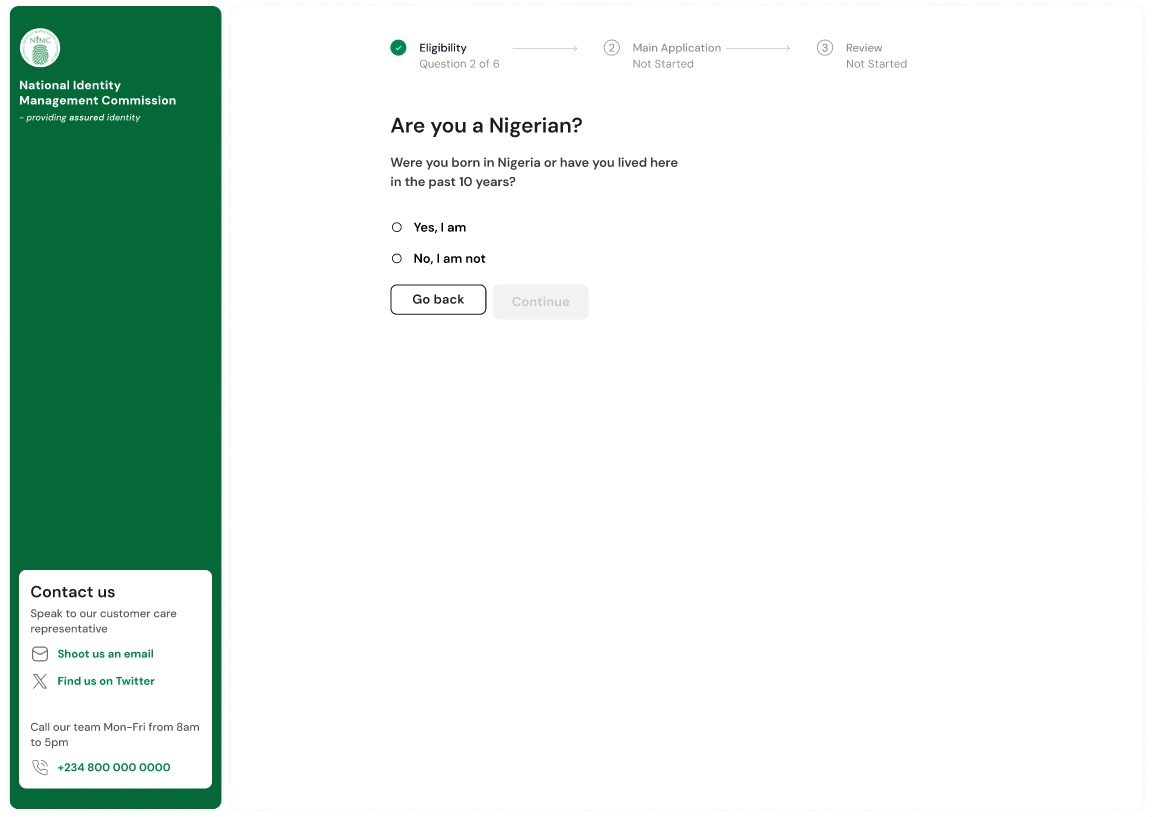
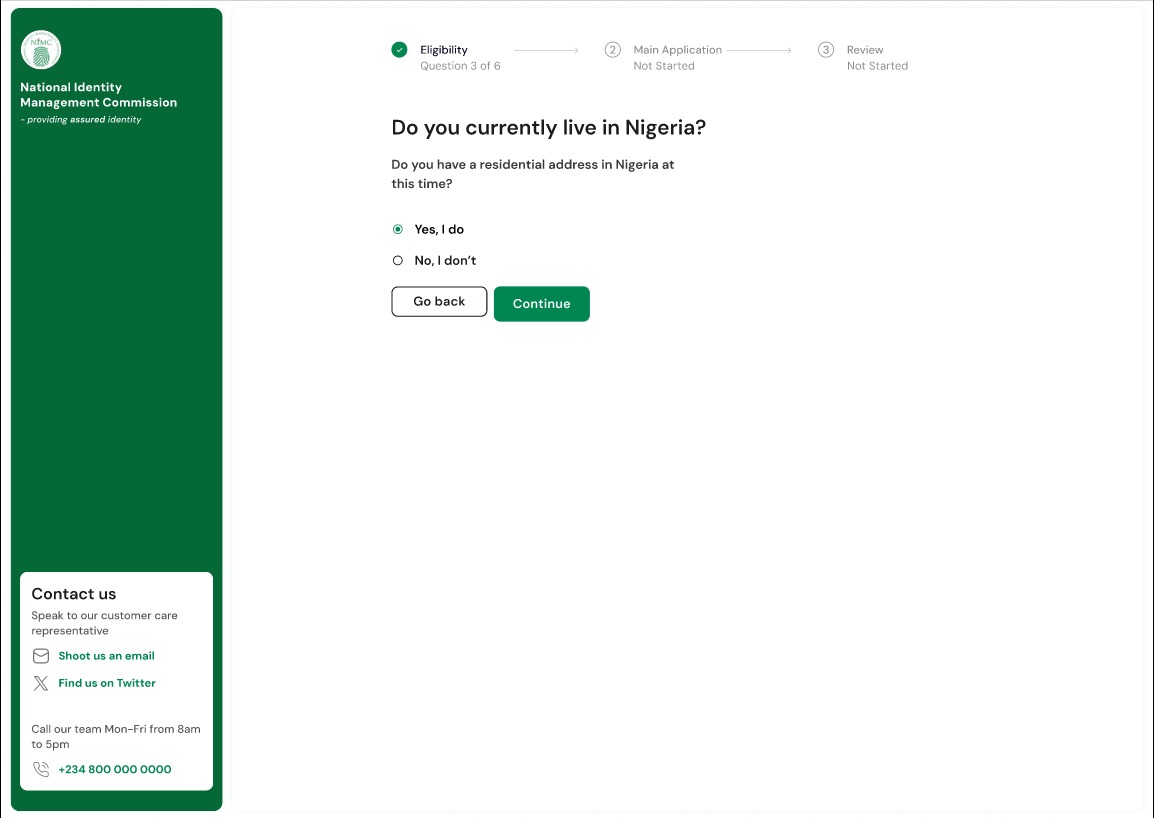
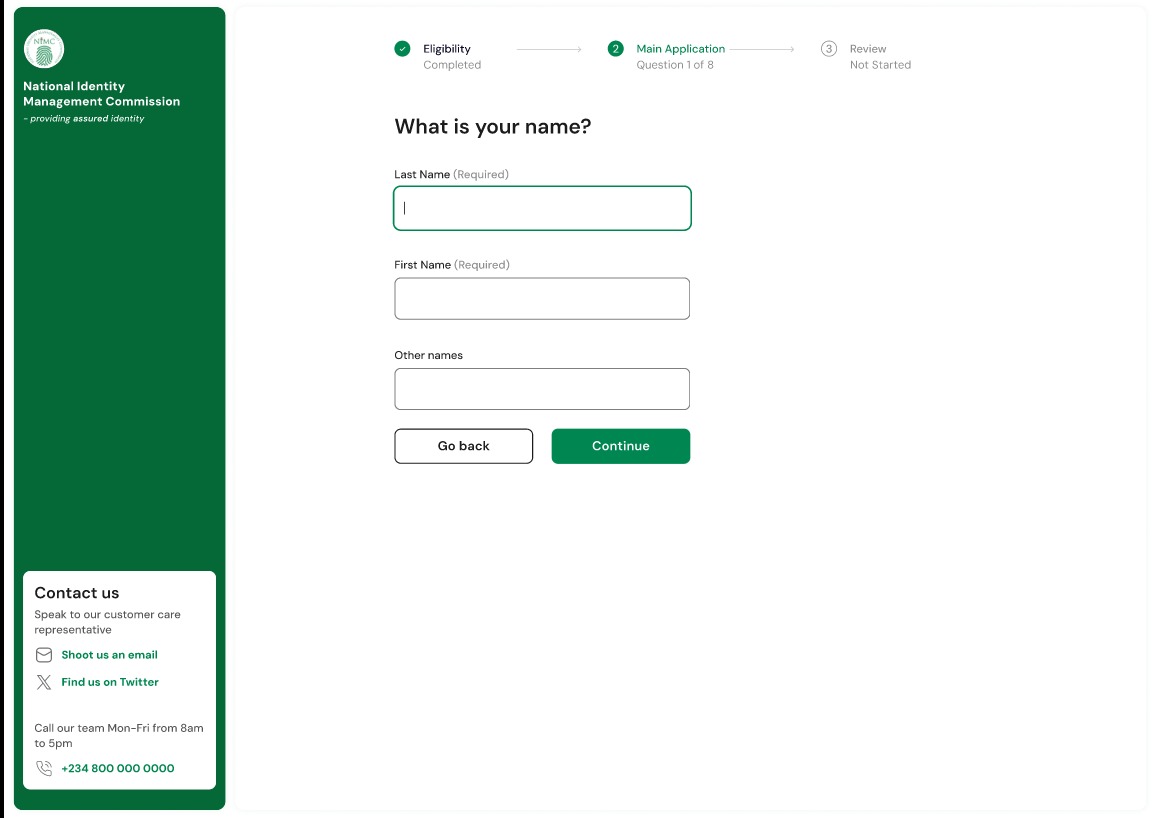
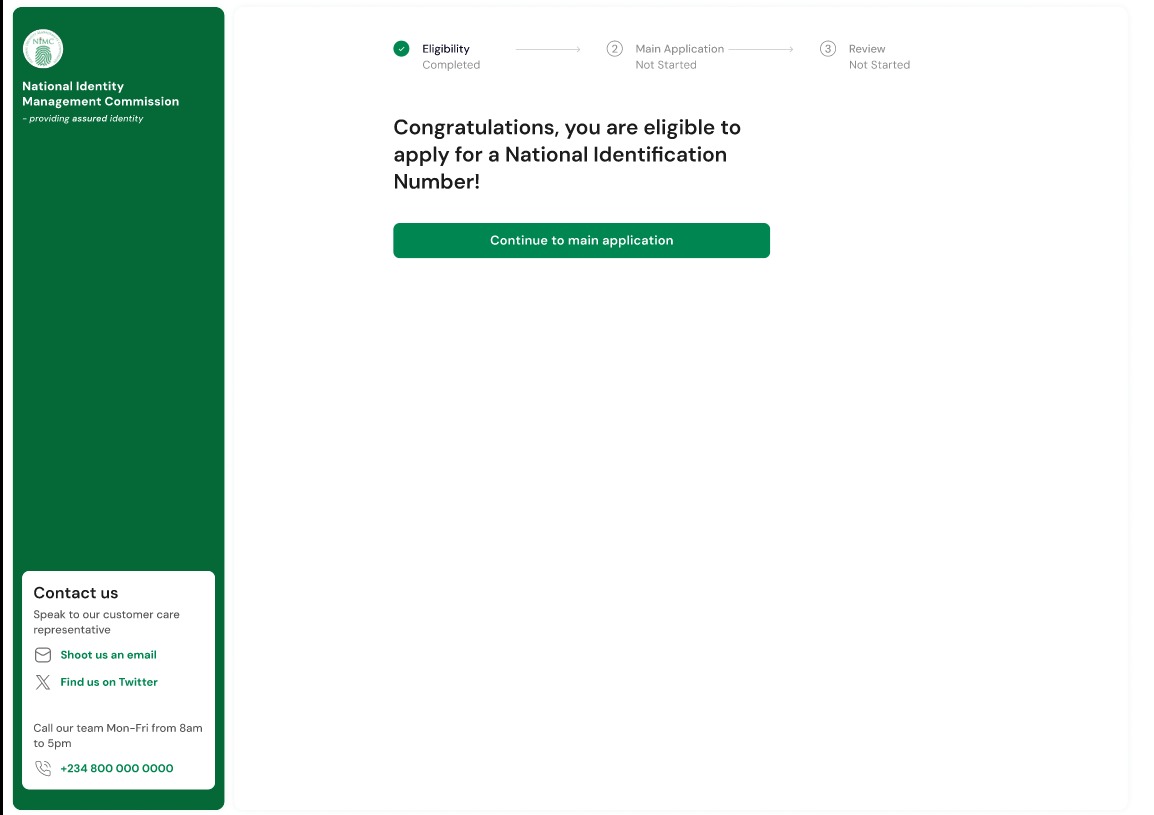
To address these challenges, the NIN Online Portal Project proposes the development of a centralized, user-friendly, and mobile-responsive platform that consolidates all aspects of the NIN registration process. This solution will enable online pre-enrollment, identity verification, biometric scheduling, document uploads, and real-time status tracking—while also supporting mobile and offline options for users without reliable internet access.

The portal will significantly reduce wait times, manual errors, and operational inefficiencies, while expanding access and strengthening the national identity infrastructure. The Business Analyst will play a central role in driving this transformation by leading stakeholder engagement, defining requirements, designing future-state processes, supporting testing, and enabling successful delivery.

Problem Statement

The existing NIN registration system is beset by critical challenges:

Lengthy registration queues and delays at physical centers, causing frustration and inefficiency.
Inaccessible services for rural populations lacking stable internet or mobile devices.
Manual data entry errors that delay processing and result in incorrect or duplicate records.
Disconnected systems—online, mobile, and walk-in methods are not integrated, causing a fragmented and inconsistent user experience.
Resource-heavy operations due to reliance on paper-based workflows and redundant tasks.

These issues contribute to slow NIN issuance, limited national coverage, increased administrative costs, and citizen dissatisfaction.

Proposed solution

The proposed NIN Online Portal will be a secure, scalable, and integrated digital platform designed to streamline and simplify the NIN registration journey for all Nigerians.

Core Components:

Multi-Channel Enrollment

Online self-registration for digitally-enabled users.
Mobile service stations and call-in services for remote and underserved communities.

Document Upload and Validation

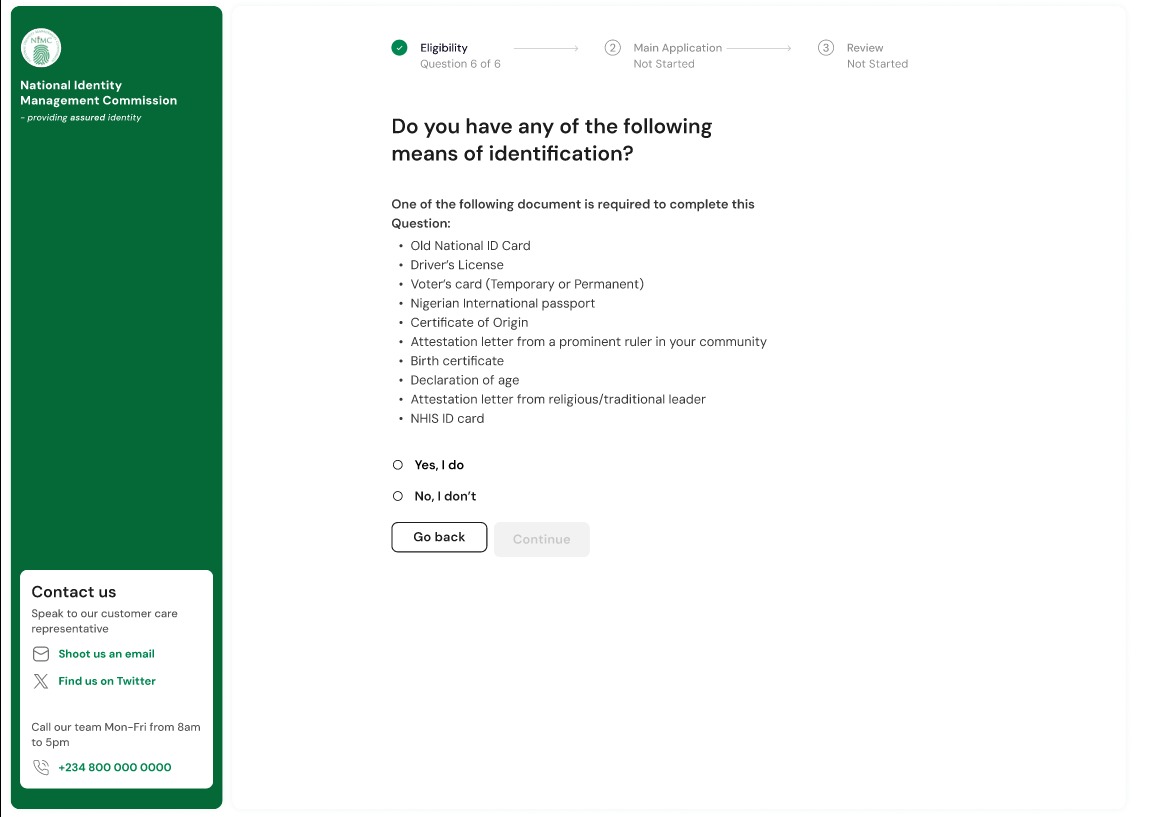
Users upload identity and support documents directly via the portal.
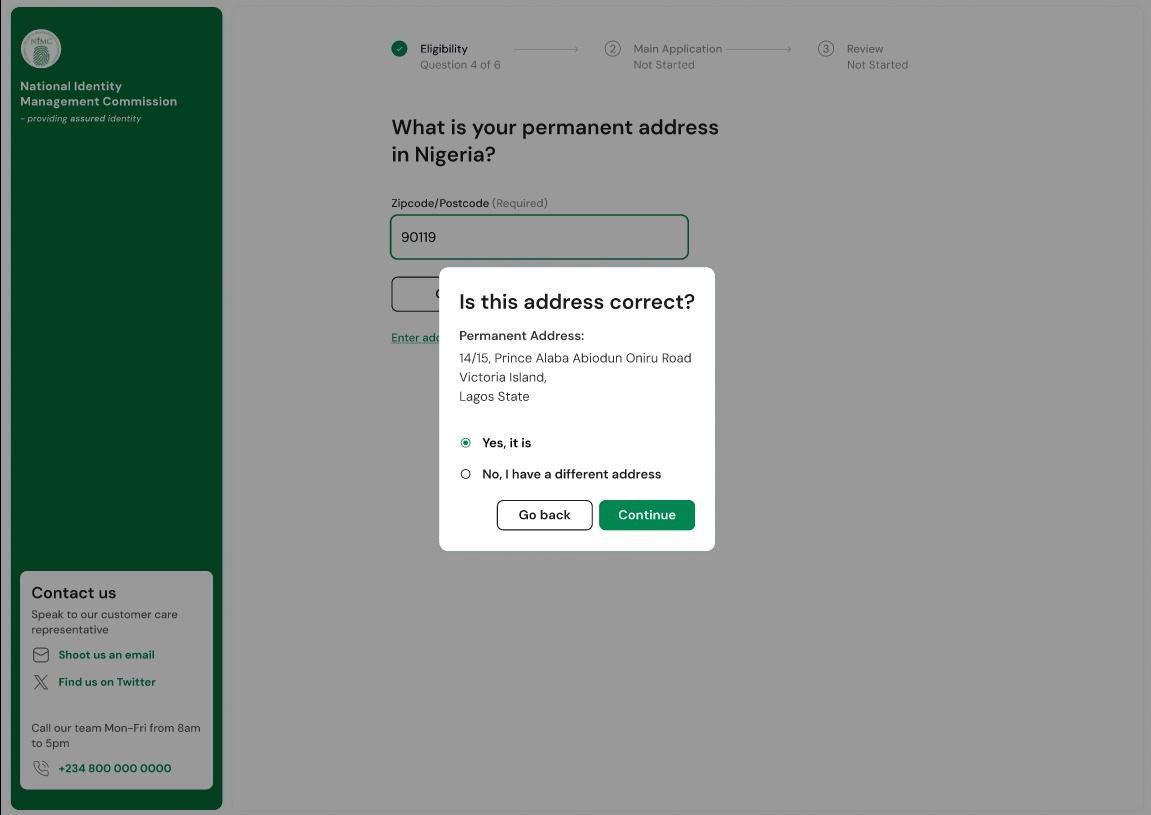
Automated real-time data validation to reduce submission errors.

Biometric Scheduling

Secure online booking of appointments for biometric capture.

Real-Time Application Tracking

Users can check the status of their application, receive notifications, and download confirmation slips.

Family Registration

Allow users to register dependents during a single session for ease of access.

Mobile Optimization

Full responsiveness for mobile devices, ensuring usability for smartphone users nationwide.

Backend Integration

Seamless connection with the National Identity Database (NIDB) for real-time identity verification and deduplication.

What Success Looks like

User Impact

70%+ of registrations completed digitally within the first year.
Reduced registration times by at least 50%.
Significant uptake in rural and underserved areas through mobile and offline support.

Operational Impact

80% reduction in manual errors and rework.
Streamlined, centralized, and auditable workflows.
Improved throughput and reduced administrative costs for NIMC.

Stakeholder Value

Improved trust in public services through transparency and accessibility.
Enhanced data integrity to support national planning, security, and service delivery.
Strengthened national digital identity infrastructure aligned with Nigeria’s digital transformation goals.

Implementation Plan

Focusing on the Business Analyst’s role, the following phased plan supports successful project delivery:

Phase 1: Initiation & Planning (3 Months)

Stakeholder Mapping & Engagement: Identify key actors; facilitate discovery workshops.
Business Needs Analysis: Elicit strategic and operational needs from all stakeholder groups.
Process Mapping: Document current (As-Is) processes for online, walk-in, and mobile channels.
Scope Definition: Define project scope, high-level requirements, and success criteria.

Deliverables: Stakeholder Register, Business Needs Document, As-Is Process Maps, High-Level Requirements Catalogue

Phase 2: Requirements & Design (4 Months)

Requirements Elicitation: Gather functional and non-functional requirements via interviews, workshops, and surveys.
User Stories & Use Cases: Define system behavior, user roles, and access flows.
To-Be Process Design: Develop future-state process maps and user journey models.
Data and Integration Mapping: Define required data structures and backend touchpoints with NIDB.

Deliverables: Requirements Specification Document, User Stories, To-Be Process Flows, Data Dictionary, Traceability Matrix

Phase 3: Pilot Deployment & Feedback (2 Months)

UAT Preparation & Execution: Define user acceptance test cases, scripts, and criteria.
Feedback Loop: Capture user insights, log issues, and refine the solution accordingly.
Business Readiness Assessment: Evaluate organizational preparedness and user support mechanisms.

Deliverables: UAT Test Pack, UAT Summary Report, Readiness Checklist, Updated Process Documentation

Phase 4: National Rollout & Support (Ongoing)

Change Management Support: Enable adoption through training support, onboarding materials, and FAQs.
Continuous Improvement: Maintain a log of enhancements and lead requirement grooming for ongoing improvements.
Benefits Tracking: Measure outcomes against KPIs and report on performance post-implementation.

Deliverables: Change Request Register, Training Review Report, Lessons Learned Log, Continuous Improvement Plan

Next Steps

1. Obtain Executive Sign-Off

Present business case to stakeholders and secure funding and resource commitments.

2. Mobilize Project Team

Present business case to stakeholders and secure funding and resource commitments.

3. Initiate Discovery Phase

Launch stakeholder workshops and define the Minimum Viable Product (MVP) scope for the portal.

4. Procurement & Contracts

Finalize RFPs for development, infrastructure, and mobile enrollment solutions.

5. Launch Phase 1 Activities

Kick off requirements gathering, process analysis, and stakeholder alignment.

Instant Download

Enter your details below to receive your resource immediately.

Your details are protected & secure.

Check Your Inbox!

Thank you — we received your request. We have emailed your custom download link directly to your inbox. Please check your junk/spam folder if it doesn't arrive within 2 minutes.

Select Your Appointment