


NIN Online Portal – A Unified Digital Identity Enrollment Platform
Executive Summary
The Nigerian National Identification Number (NIN) is a critical identifier used by citizens and legal residents to access a wide range of services, from healthcare and banking to education, voting, and national security. However, the current NIN enrollment process, overseen by the National Identity Management Commission (NIMC), is fragmented, time-consuming, and inaccessible to many Nigerians—particularly in rural and underserved communities.
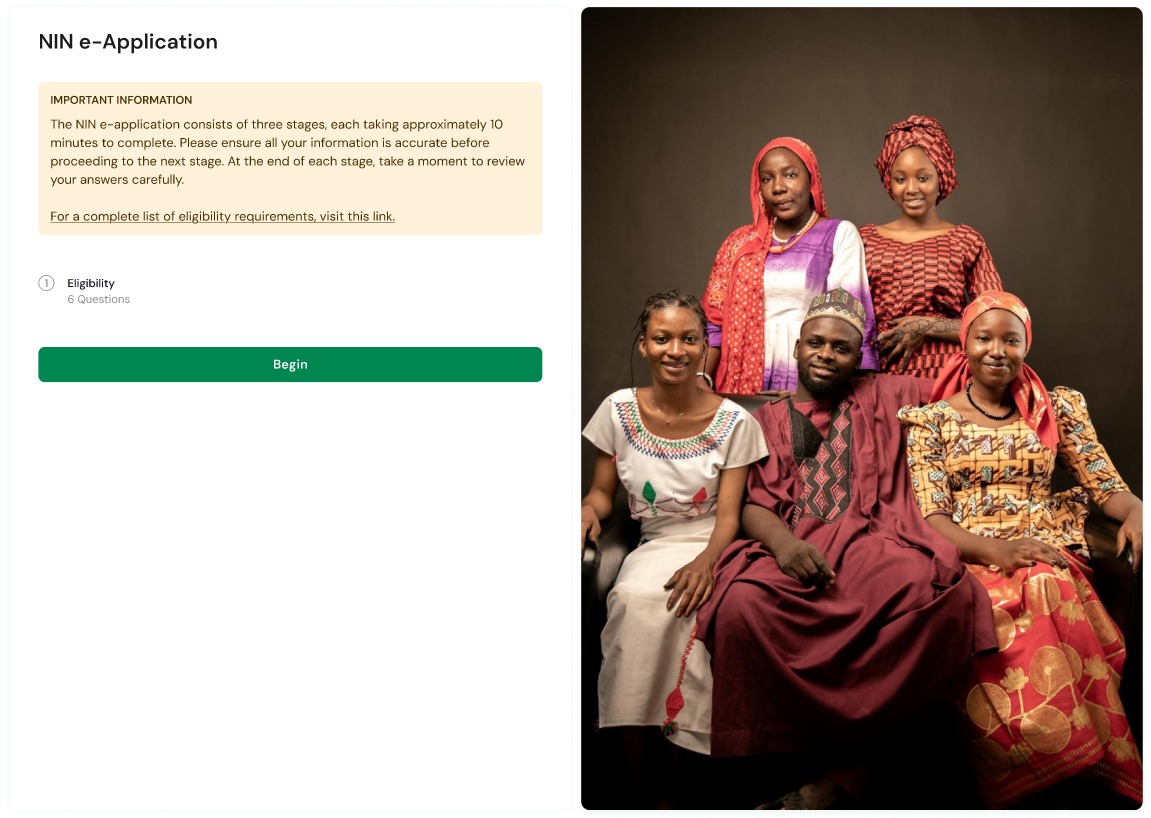
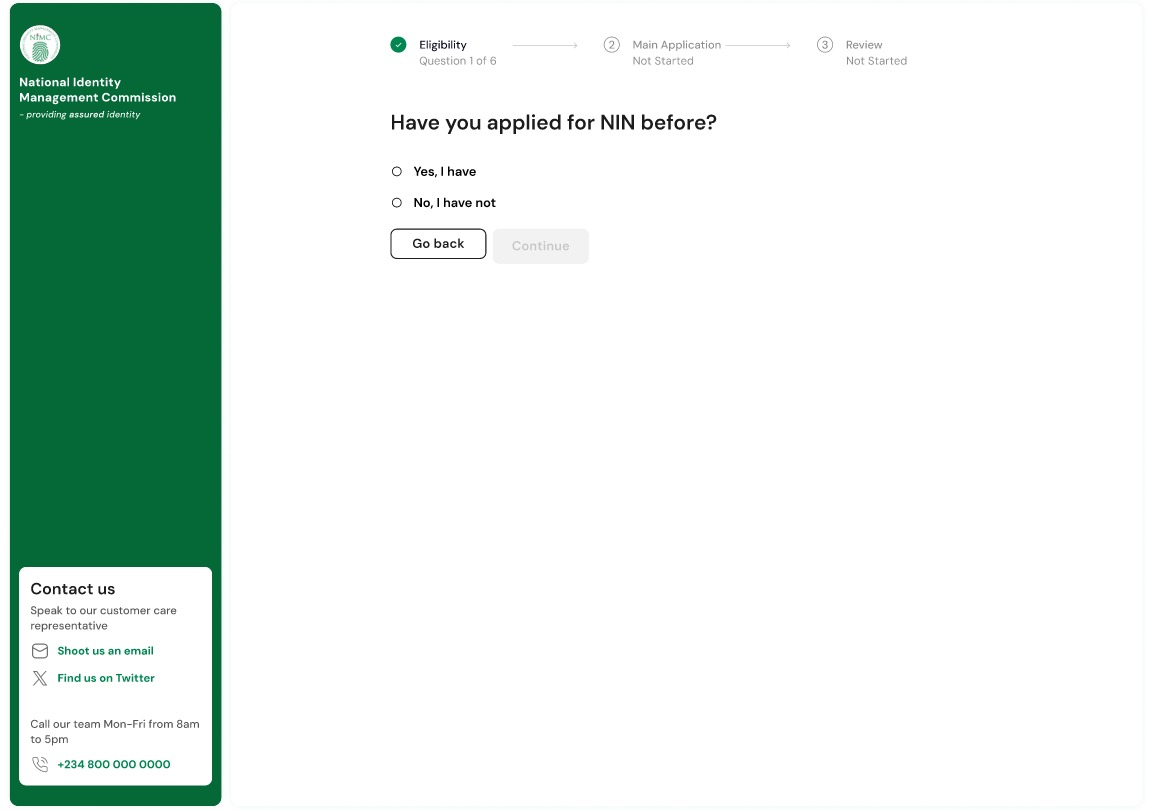
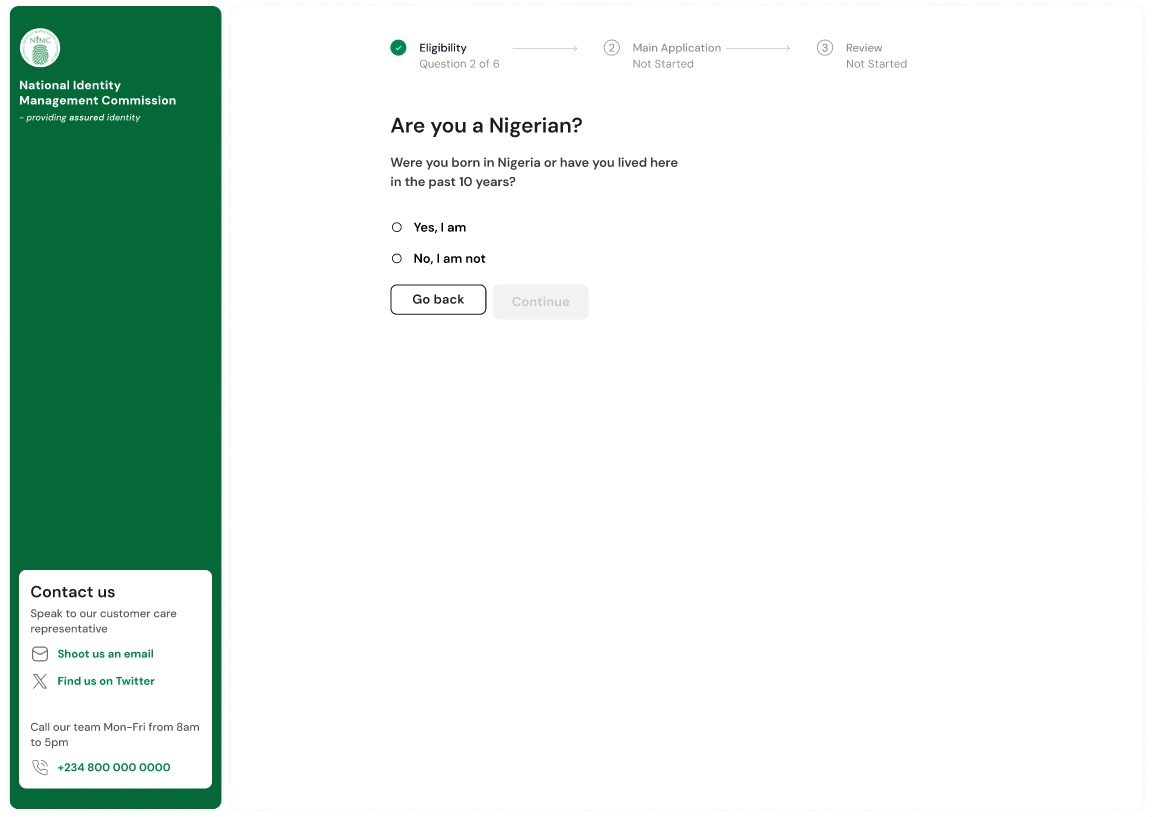
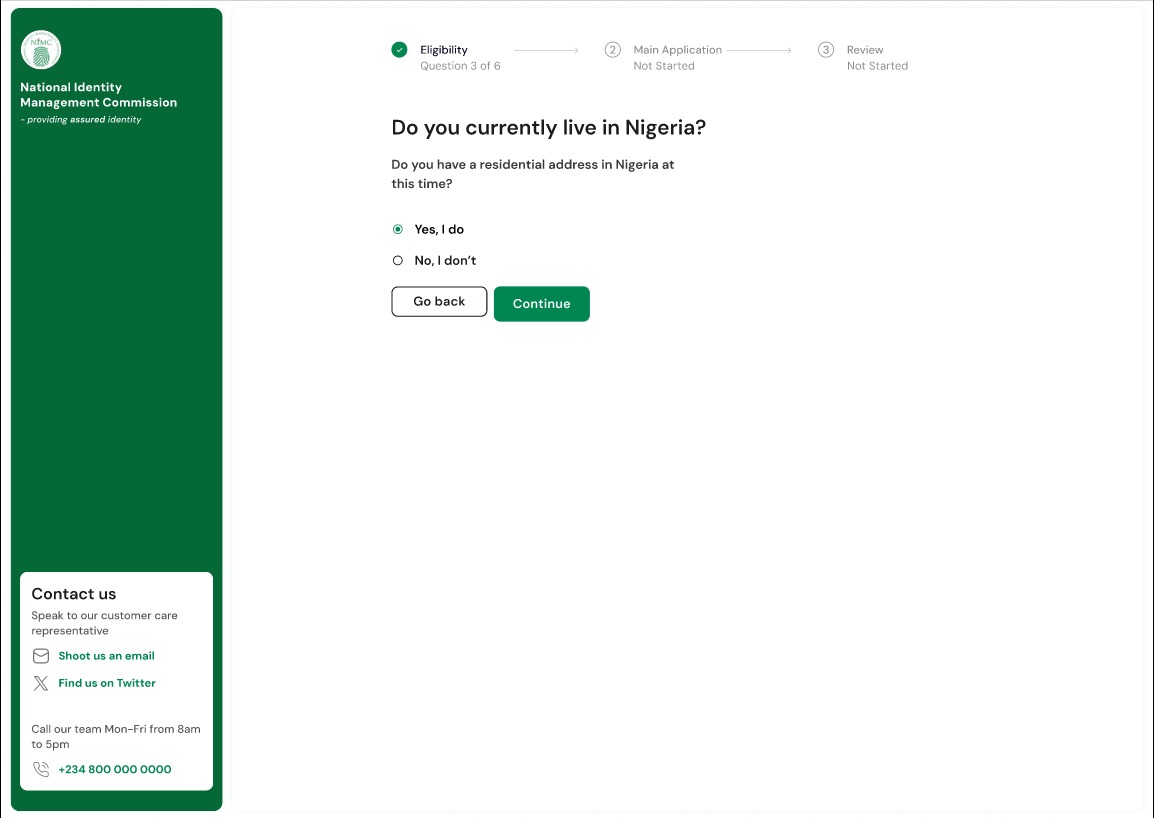
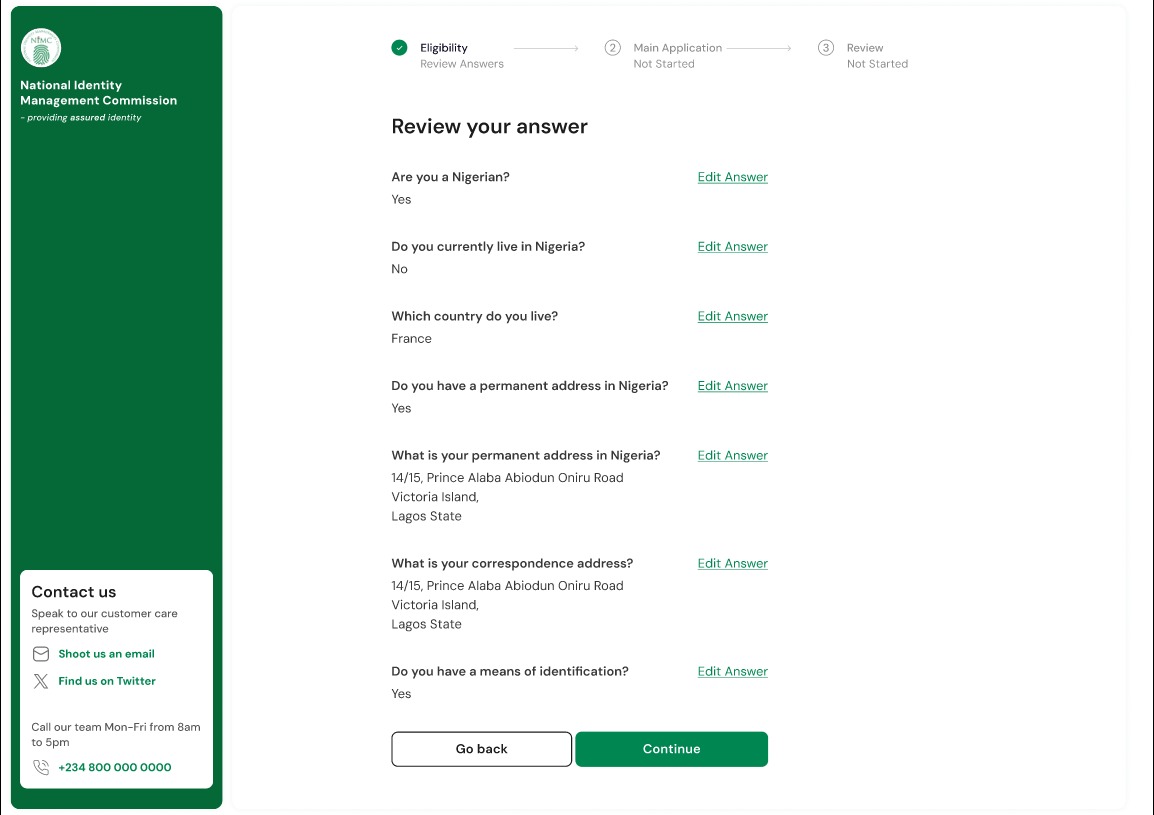
To address these challenges, the NIN Online Portal Project proposes the development of a centralized, user-friendly, and mobile-responsive platform that consolidates all aspects of the NIN registration process. This solution will enable online pre-enrollment, identity verification, biometric scheduling, document uploads, and real-time status tracking—while also supporting mobile and offline options for users without reliable internet access.
The portal will significantly reduce wait times, manual errors, and operational inefficiencies, while expanding access and strengthening the national identity infrastructure. The Business Analyst will play a central role in driving this transformation by leading stakeholder engagement, defining requirements, designing future-state processes, supporting testing, and enabling successful delivery.
Problem Statement
The existing NIN registration system is beset by critical challenges:
These issues contribute to slow NIN issuance, limited national coverage, increased administrative costs, and citizen dissatisfaction.
Proposed solution
The proposed NIN Online Portal will be a secure, scalable, and integrated digital platform designed to streamline and simplify the NIN registration journey for all Nigerians.
Core Components:
Multi-Channel Enrollment
Document Upload and Validation
Biometric Scheduling
Real-Time Application Tracking
Family Registration
Mobile Optimization
Backend Integration
What Success Looks like
User Impact
Operational Impact
Stakeholder Value
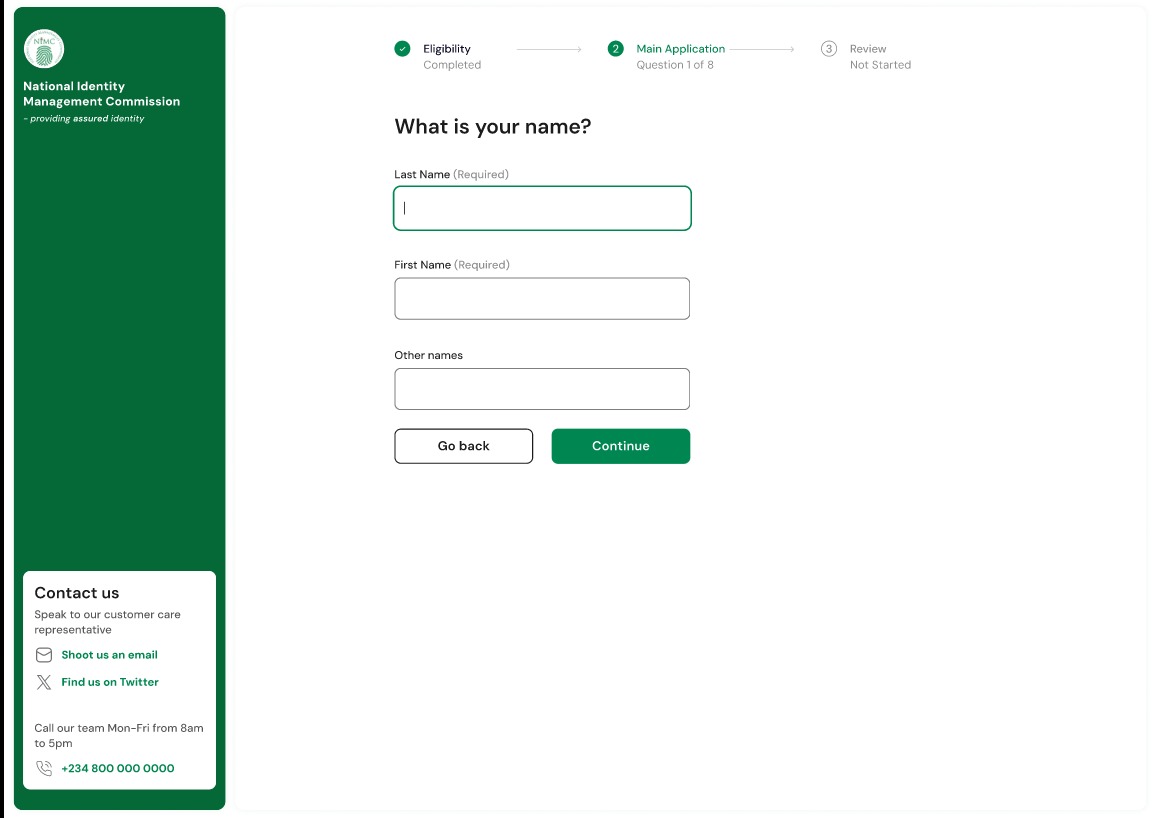

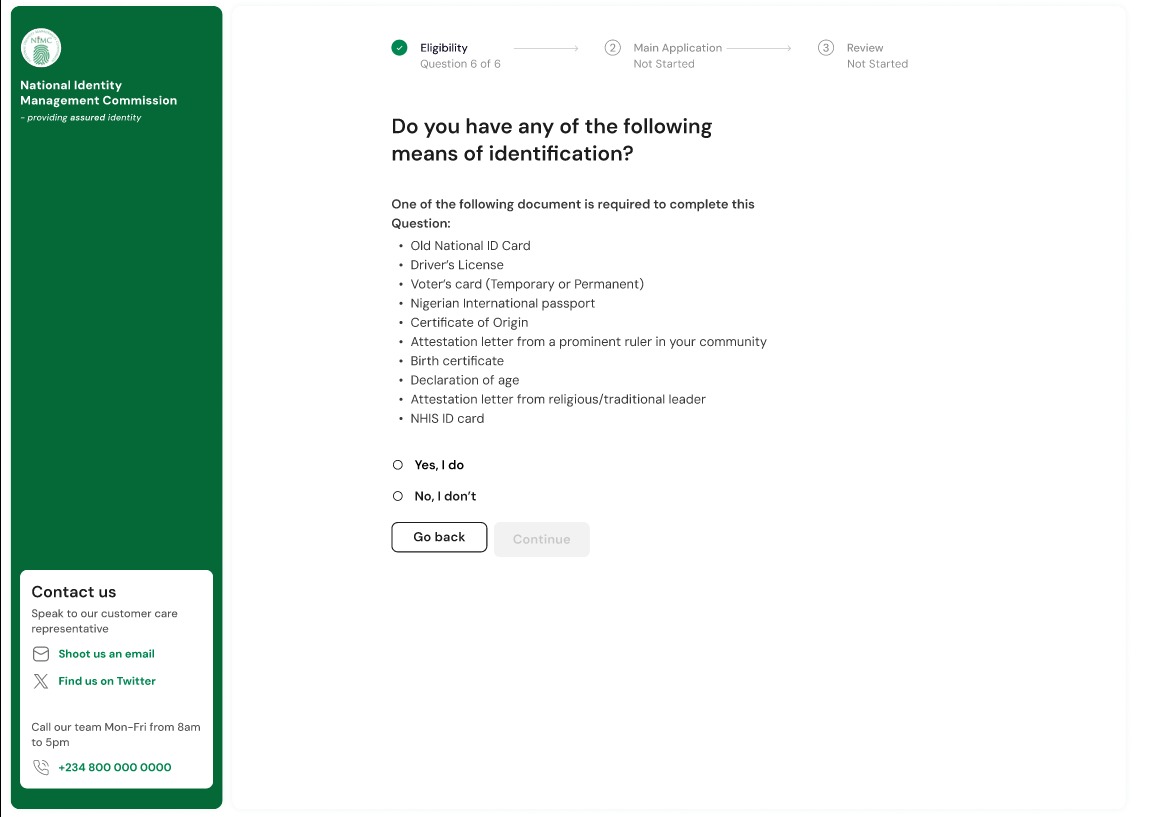
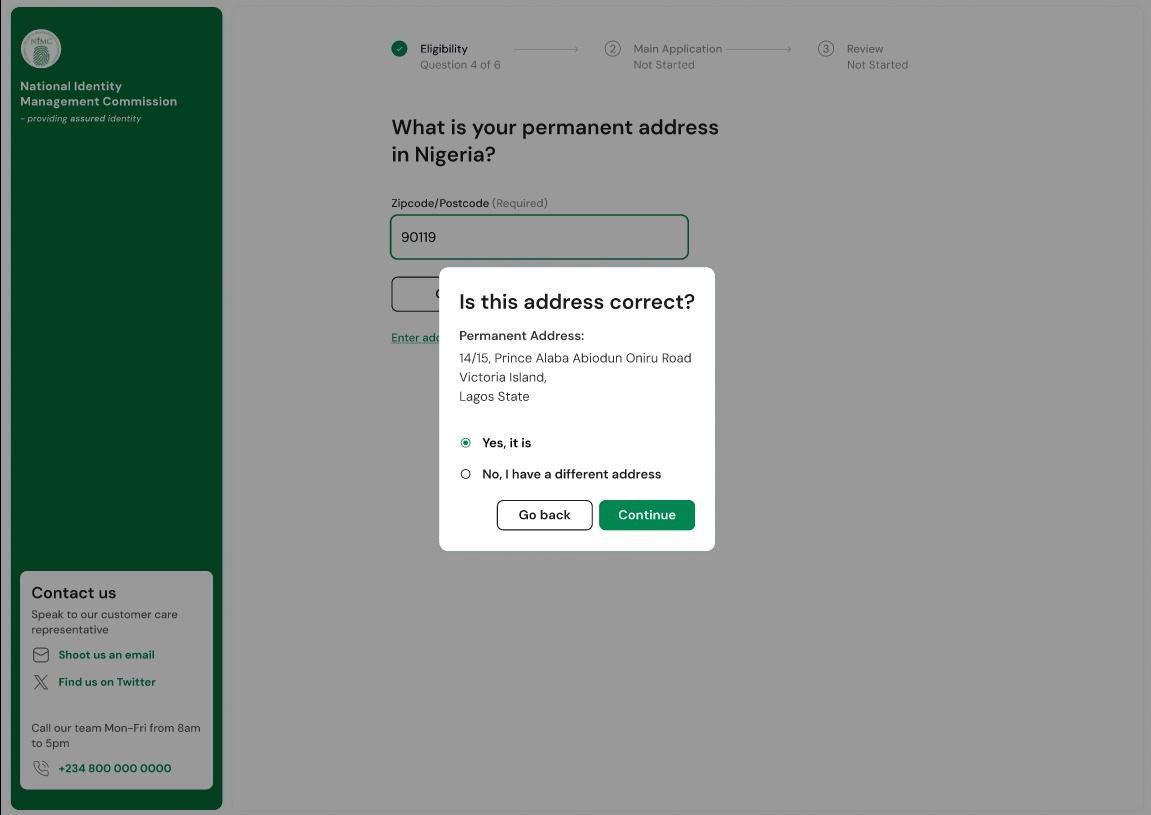
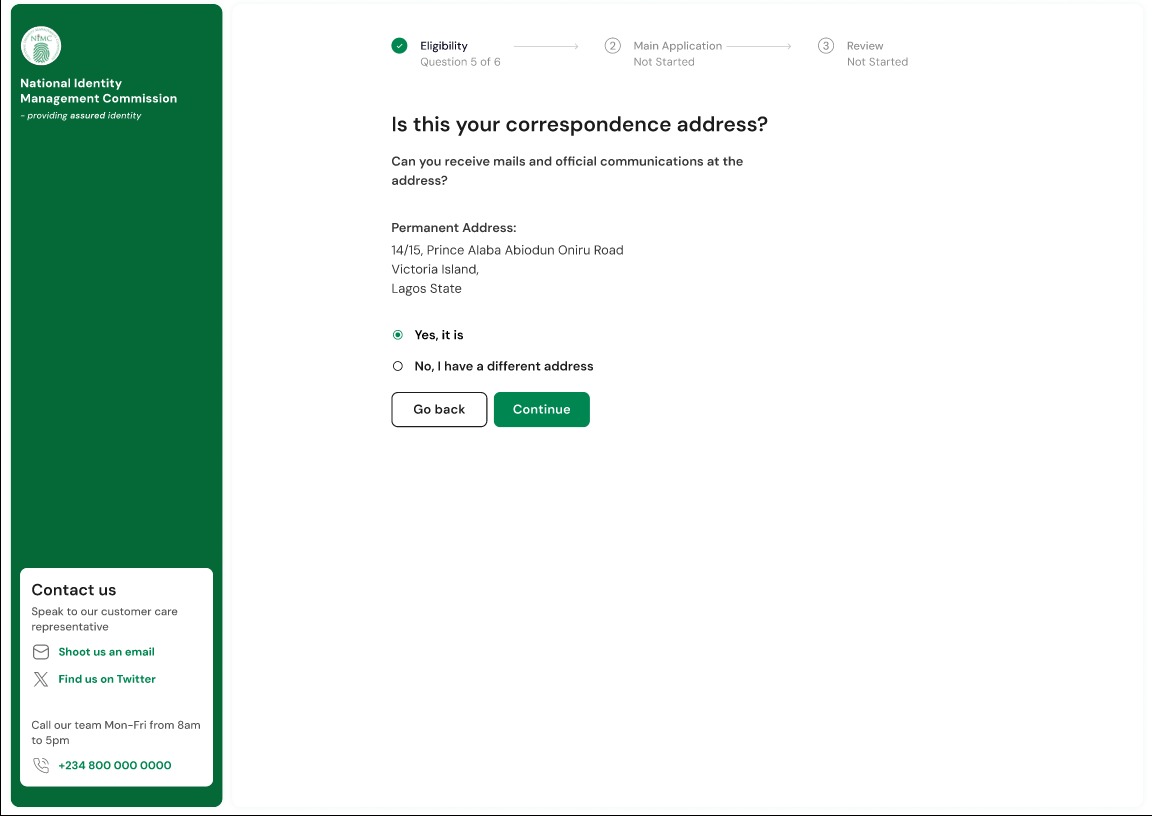
Implementation Plan
Focusing on the Business Analyst’s role, the following phased plan supports successful project delivery:
Phase 1: Initiation & Planning (3 Months)
Deliverables: Stakeholder Register, Business Needs Document, As-Is Process Maps, High-Level Requirements Catalogue
Phase 2: Requirements & Design (4 Months)
Deliverables: Requirements Specification Document, User Stories, To-Be Process Flows, Data Dictionary, Traceability Matrix
Phase 3: Pilot Deployment & Feedback (2 Months)
Deliverables: UAT Test Pack, UAT Summary Report, Readiness Checklist, Updated Process Documentation
Phase 4: National Rollout & Support (Ongoing)
Deliverables: Change Request Register, Training Review Report, Lessons Learned Log, Continuous Improvement Plan
Next Steps
1. Obtain Executive Sign-Off
2. Mobilize Project Team
3. Initiate Discovery Phase
4. Procurement & Contracts
5. Launch Phase 1 Activities